
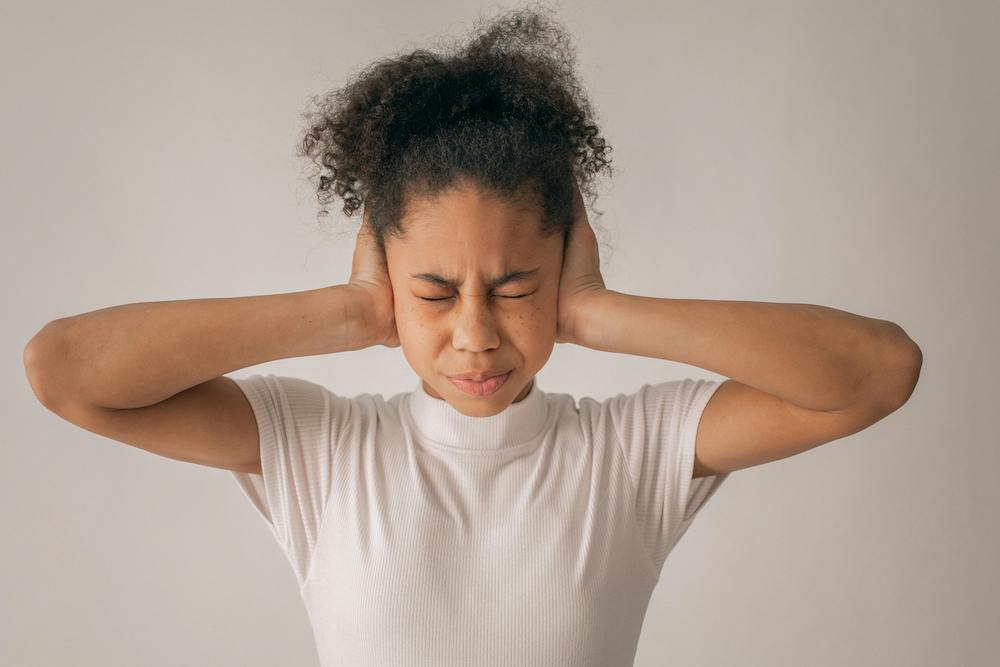
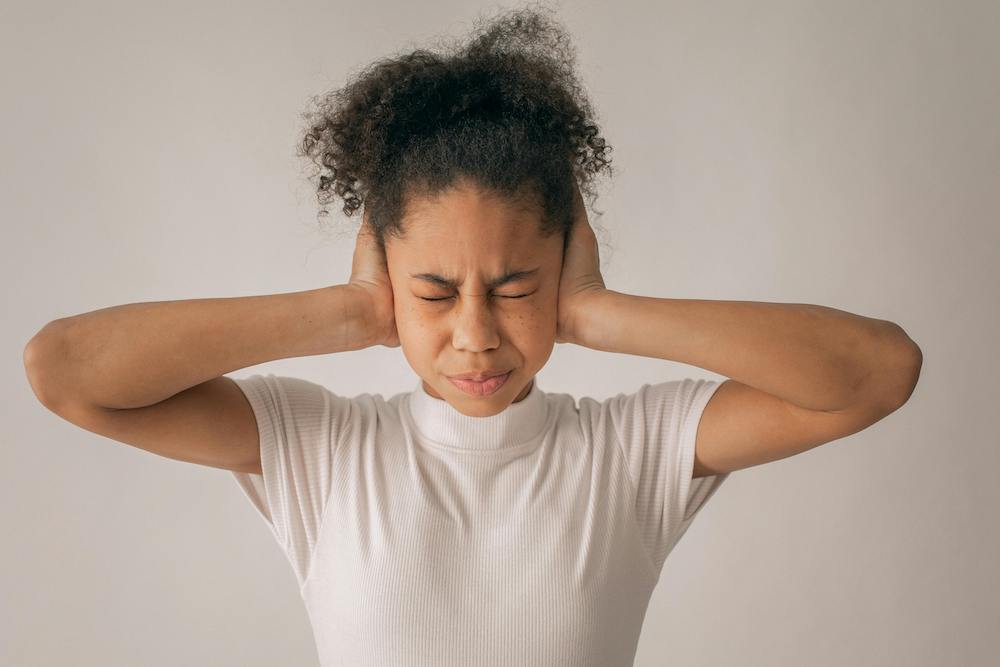
If you’re a hearing aid wearer, you might be familiar with a sudden, piercing squeal ringing in your ear at seemingly random moments, such as when you’re leaning in for a hug or simply adjusting your glasses.
Much like the jarring screech of a microphone held too close to a speaker, this high-pitched sound, also known as acoustic feedback, is startling and annoying.
So, let’s explore what causes hearing aids to whistle, along with troubleshooting tips to silence the noise.
The Science of the Squeal: What is Feedback?
When hearing aid whistling occurs, it is typically due to a feedback loop. This loop happens when amplified sound escapes your ear canal and gets picked up by the device’s microphone, causing it to be reamplified repeatedly.
Generally, feedback signals a poor fit, excessive earwax, or overly high volume. You may also notice it briefly while inserting or removing your device if it remains switched on.
What Causes Hearing Aids to Whistle?
Identifying what is causing your hearing aids to whistle is the first step toward resolving the issue. Here are several common factors that trigger acoustic feedback:
- High volume settings: Pushing the gain too high can exceed the device’s feedback cancellation limits, causing sound to leak and reamplify.
- Improper fit: If the dome or earmold isn’t seated snugly, sound escapes the ear canal easily, creating a feedback loop.
- Excess cerumen: Accumulated earwax buildup acts like a wall, bouncing sound back toward the microphone rather than through the ear.
- Damaged components: Mechanical wear, such as cracked tubing or a dislodged microphone, can break the device’s acoustic seal.
- Physical interference: Wearing a hat, a tudung, or holding a phone too close can reflect sound waves directly back into the microphone.
Practical Troubleshooting: How to Stop the Whistling
Fortunately, you can resolve acoustic feedback through several troubleshooting measures:
- Re-insert your devices: Take your hearing aids out and carefully put them back in to ensure the dome or earmold creates a perfect, snug seal.
- Remove earwax: Regularly clean the device dome and your ear canals to remove earwax. This helps to prevent sound from bouncing back out towards the microphone.
- Check for damage: Inspect your devices for tiny cracks in the tubing or loose components. If found, professional repairs are necessary to restore the acoustic seal.
- Lower the volume: If you constantly require maximum settings, lowering the volume may stop the whistling. However, this may suggest that you need a professional hearing aid fine-tuning.
When to Visit an Audiologist in Malaysia
If whistling persists despite cleaning and re-insertion, it likely stems from a technical fault or fit issue.
In such cases, consult a professional audiologist in Malaysia for comprehensive hearing aid maintenance. From taking new earmold impressions to fine-tuning hearing aids, an audiologist can restore your device’s optimal clarity and comfort without the annoyance of a constant, high-pitched whistle.
Reclaim a Clear Listening Experience

Ultimately, hearing aid whistling is often a signal that your device requires attention, whether through a professional recalibration or a simple refitting.
You certainly do not have to endure this distracting noise, as most fixes are straightforward and can be resolved quickly.
However, if the whistling continues despite troubleshooting, consider contacting the Listening Lab for a comprehensive review. Our dedicated specialists will meticulously examine your devices, ensuring they are performing optimally and are precisely tailored to your unique hearing profile.