
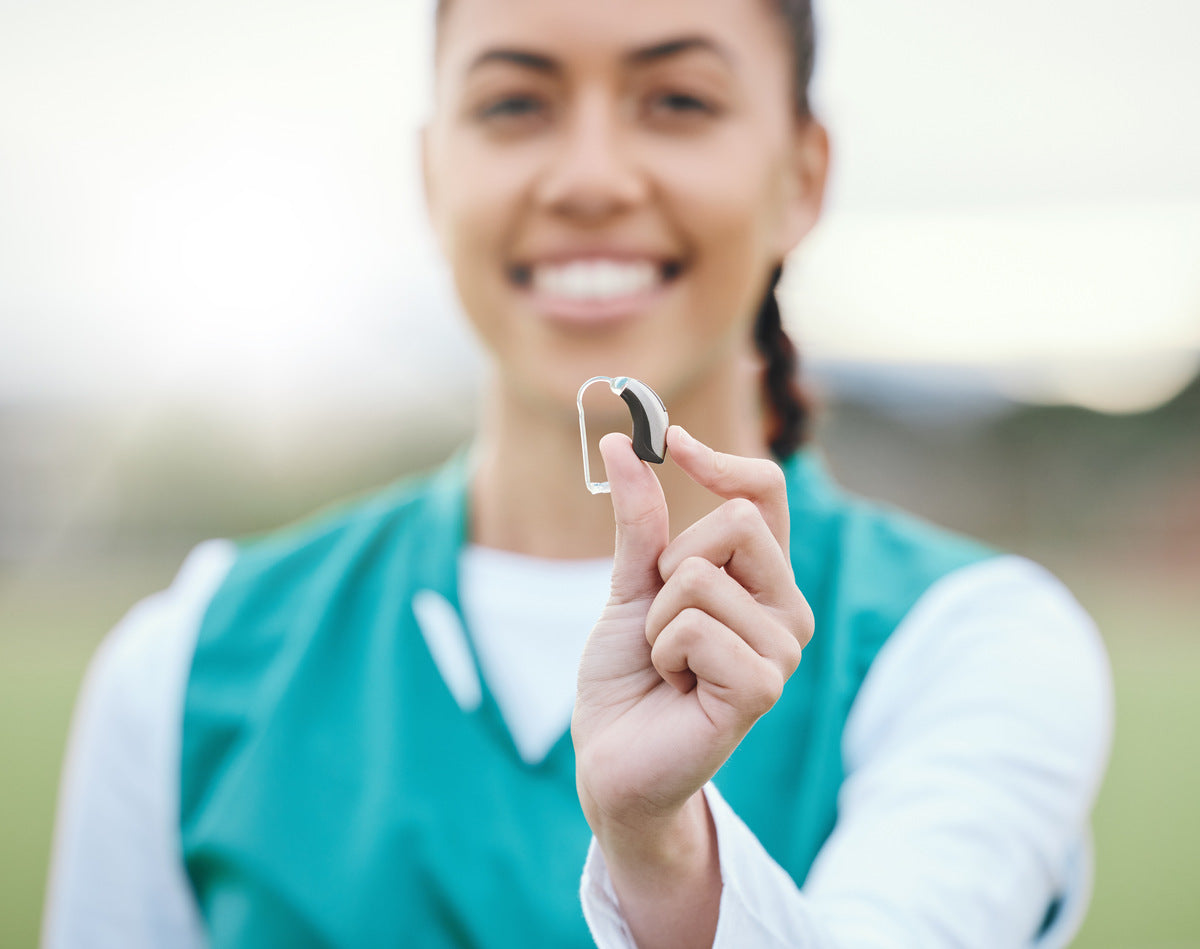
If you’re someone who loves to exercise and has to wear hearing aids, you’ve no doubt at one point been worried about exposing your hearing aid to sweat, body heat and humidity.
Is sweat bad for your hearing aids? And can you wear hearing aids while working out? These are common concerns for active hearing aid users who worry that moisture may spoil their device in the long run.
The good news is you don’t have to choose between prioritising your fitness goals and better hearing. In this guide, we’ll address the common questions about exercising with hearing aids and give you the essential, practical tips you need to keep your hearing aids safe, dry, and functioning for an active lifestyle.
Can You Wear Hearing Aids While Working Out?
The short answer is a resounding yes, you can wear hearing aids while working out, and in most cases, it is strongly recommended for these reasons:
- Safety First: Being fully aware of your surroundings is important when exercising, no matter if you’re outdoors or indoors. Whether you’re jogging near traffic, cycling on a busy path, or navigating a crowded gym, your hearing aids ensure you hear warnings, approaching vehicles, or heavy equipment.
- Clear Communication: If you’re playing a team sport, exercising in a group or in a fitness class, being able to hear instructions or engage in conversation is key. Plus, wearing hearing aids eliminates the strain of constantly asking people to repeat themselves.
- Motivation and Focus: Many modern hearing aids for active lifestyles offer direct Bluetooth streaming. This allows you to use your hearing aids as a pair of earbuds to stream your favourite music playlist or podcast to stay motivated while working out.
Is Sweat Bad for Hearing Aids?
While it is recommended to wear hearing aids while working out, sweat can be bad for hearing aids that are not built for active lifestyles.
Moisture is the single greatest enemy of electronics. When you combine intense sweat from an active workout with the tropical humidity inherent in Malaysia, you create a perfect environment for corrosion and component failure.
That’s because sweat contains salts and minerals which, over time, can crystallise on the internal components, leading to:
- Corrosion of battery contacts, causing intermittent power or sudden device failure.
- Short circuits in the receiver and microphone, leading to distorted sound or total loss of function.
- Damage to ear moulds or tubing, causing fit issues.
Choosing Sweat Proof Hearing Aids
When exercising with hearing aids, you should pick a pair that is specifically designed to be sweat proof. Look for hearing aids with an Ingress Protection (IP) rating of IPX4 or higher. IP ratings signifies a device’s ability to resist dust and moisture, which affects their suitability for exercise.
- IPX4: Resistant to splashes. Suitable for moderate workouts and light rain.
- IPX5: Capable of withstanding low-pressure water jets, suitable for heavier workouts.
- IPX7: Can be submerged in up to 1 metre of water for 30 minutes, making it suitable for showering or intense workouts.
- IPX8: The highest rating. IPX8 hearing aids offer protection against continuous water immersion deeper than 1 metre and at a duration specified by the manufacturer. However, “water-resistant” doesn’t always mean “swim-proof.” Always check with your manufacturer if your hearing aids are intended for swimming.
How to Care for Hearing Aids During and After Your Workout
Just because your hearing aids are sweat-proof doesn’t mean you don’t need to take care of them after exercising. A simple, consistent routine during and after exercise will keep them in great working condition and extend the life of your hearing aids.
How to Protect Your Hearing Aids During Exercise
- Use Sweat Covers: Invest in accessories hearing aid sweat covers or protective accessories to physically block moisture from reaching the device. This is especially useful for those who wear Behind-The-Ear (BTE) models. Alternatively, you can also wear a sweatband
- Secure the Device: High-impact activities can cause devices to jostle loose. Use retention clips, sports locks, or securing loops to prevent your hearing aids from falling while exercising.
How to Care for Your Hearing Aids After Exercise
- Wipe Down Immediately: As soon as you finish your workout, use a soft, dry cloth or a gentle cleansing wipe to thoroughly clean your hearing aids by removing all visible sweat and grime from the entire surface of your devices.
- Dry Them Out: Never store your aids directly in their charging case or a small tin immediately after a workout. Make sure they air dry fully before you put them back into their case.
Find the Right Pair of Hearing Aids for Exercising with Listening Lab
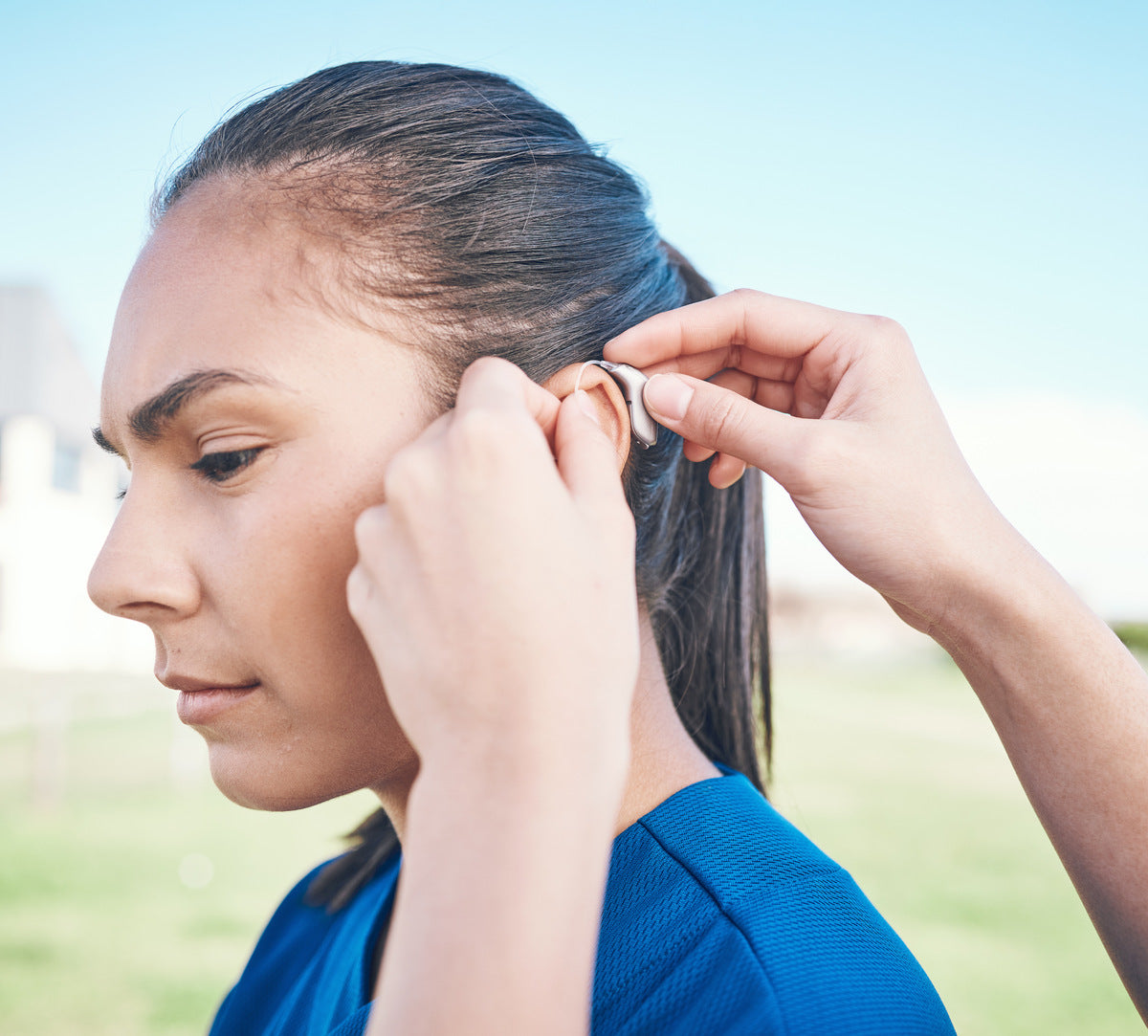
With the right pair of hearing aids, you can continue to lead an active lifestyle and enjoy exercising with all the benefits of assisted hearing. Explore sweat proof hearing aids at Listening Lab and find the right pair for your needs with our consultation and hearing aid fitting services.