
We live in a world surrounded by noise. For families in Malaysia’s urban centres, it’s simply part of daily life. Traffic noise pollution, ongoing construction, busy roads, and crowded homes create a constant backdrop that can be hard to avoid.
While noise pollution affects everyone, young children are especially vulnerable. Their auditory systems are still developing , which means loud or prolonged noise can cause lasting damage far earlier than many parents realise.
This blog explores what “too loud” really means for children, how noise exposure in loud environments affects their physical and cognitive development, and practical ways you can protect your child’s hearing from the very beginning.
How Does Loud Noise Affect Children?
Children are uniquely vulnerable to loud noise, which can have both physical and developmental impacts. Physically, a child’s inner ear contains delicate hair cells responsible for converting sound waves into signals the brain can understand. These cells do not generate and are especially vulnerable to damage in children. Exposure to excessive noise can harm or destroy them, which can lead to permanent hearing loss.
The effects are not limited to the ears. Loud or constant background noise can also influence how a child learns and communicates. Research shows that chronic traffic noise pollution from busy roads, nearby highways, or long-term construction can interfere with concentration, language development, and overall cognitive growth.
When children must strain to hear and process speech, it becomes harder for them to pick up new words, stay focused, and engage with the world around them.
How to Know if a Place is Too Loud for a Baby
While all children are sensitive to loud noise, babies are even more vulnerable. Their ears are smaller, their auditory pathways are still forming, and their nervous systems are more easily overstimulated. For parents wondering if loud noises are bad for babies, it should be noted that noisy environments can disrupt sleep, impair early listening skills, and make it harder for babies to process speech.
Parents can watch for these signs that a setting may be too loud for their baby:
- The Reaction Test: If your baby flinches, cries, or shows stress in response to a sound.
- The Proximity Rule: If you have to raise your voice to be heard by someone a metre away.
- Long-Term Exposure: Even moderate household noise or traffic hum can be stressful or disruptive, especially with prolonged exposure.
What Are Safe Decibel Levels for Children?
Knowing safe decibel levels helps parents understand which environments may put their child’s hearing at risk. Typical sound levels include:
- Normal conversation: around 60 dB
- Busy street: 70 to 80 dB
- Hairdryer or blender: 85 dB (limit exposure to under 8 hours)
- MRT or LRT trains: 91 dB (limit exposure to 2 hours with protection)
Your child’s ears are more sensitive to loud noise than adults’, so it is safest to keep everyday noise exposure below 60 to 70 dB whenever possible. Monitoring sound levels and limiting prolonged exposure can go a long way in protecting their hearing.
Understanding Sound Sensitivity in Children
Some children show heightened reactions to everyday noises, a condition known as sound sensitivity or hyperacusis. Unlike typical noise aversion, which might fade as a child becomes accustomed to sounds, chronic hypersensitivity causes strong reactions to routine noises like vacuum cleaners, hand dryers, or television volume.
Persistent sound sensitivity may indicate an underlying auditory issue, making early observation critical. Regular hearing checks, including an audiometric test, help parents track any changes in their child’s hearing and intervene early if necessary.
Simple Steps for Protecting Your Child’s Hearing
Parents can take practical steps to shield their child’s ears from harm:
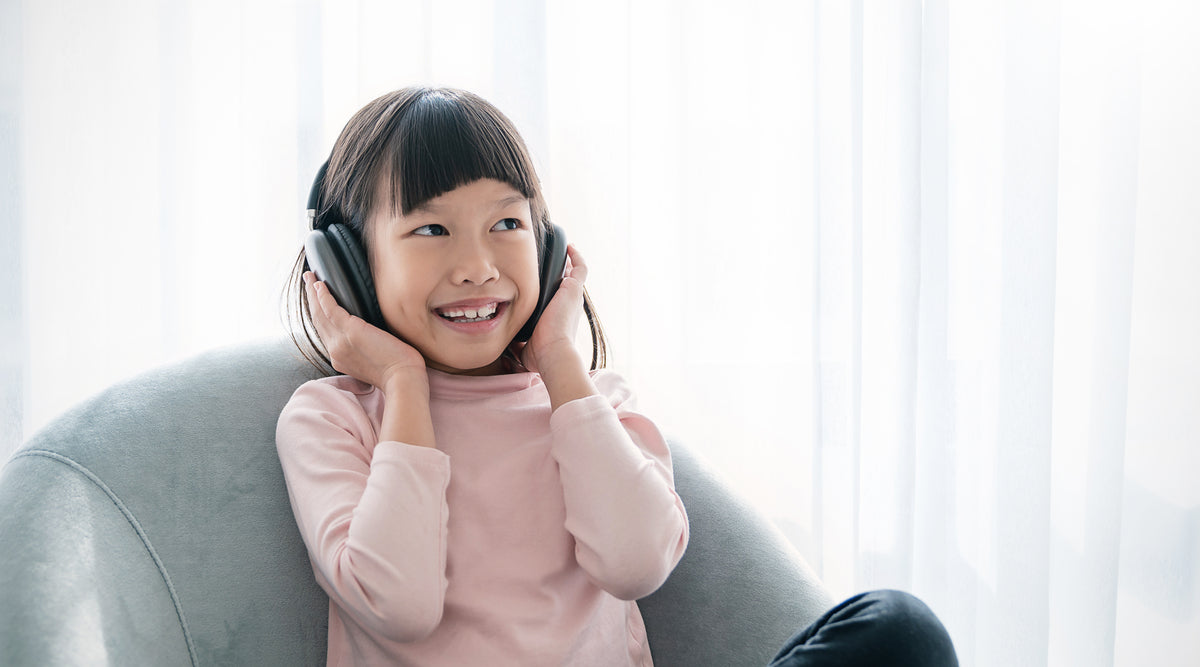
- Headphone Rules: Enforce the 60/60 rule. No more than 60% volume for 60 minutes at a time on personal devices.
- Use Hearing Protection: Earmuffs or specialised earplugs can protect ears during loud events like cinemas, festivals, or fireworks.
- Reduce Background Noise: Minimise household noise pollution by turning off unused devices and using rugs or soft furnishings to absorb sound.
- Distance: Keep children away from direct sources of loud sound, such as speakers, lawnmowers, or fire alarms.
Protecting the Future of Their Hearing
The best way to protect your child’s hearing is to be proactive. By recognising noisy environments, understanding signs of sound sensitivity, and taking simple preventive steps, parents can help safeguard their child’s auditory health for the long term.
Establishing a hearing baseline early in life is invaluable. If your child shows persistent sensitivity to sounds or any developmental concerns, book a consultation at our hearing test centre in Malaysia. Early detection and intervention can make a lifelong difference, giving your child the best chance to grow up hearing clearly and confidently.