

You’ve been watching it happen for a while. Your elderly parent asks you to repeat yourself more often, and the television has crept up in volume. You’ve tried to bring it up, gently. The response comes back firm. ‘My hearing’s fine.’
The matter of age-related hearing loss in elderly parents is one of the most emotionally delicate conversations adult children face. Resistance is common, and the longer it’s avoided, the greater the toll on your parent’s quality of life, relationships, and cognitive health. As such, getting the approach right is crucial to help the conversation about getting a hearing test land well.
Why Elderly Parents Resist a Hearing Test
For many elderly adults, the idea of a hearing test carries weight beyond the clinical. Age-related hearing loss tends to set in gradually, so the person experiencing it often has little sense of how much they’re missing.
Many parents also associate hearing aids with a loss of independence or a marker of old age. This can make the suggestion feel threatening rather than helpful.
Treating this resistance as fear rather than stubbornness is a helpful starting point. When you approach it in that way, the tone shifts from persuasion to reassurance.
Choosing the Right Moment to Bring It Up
Timing shapes how the conversation lands. Avoid raising the topic immediately after a frustrating moment, such as a repeated misunderstanding at dinner, as it may put them on the defensive. A poorly timed conversation can set the idea back by months.
Instead, find a calm, private setting where your parent doesn’t feel singled out or embarrassed. A quiet moment at home, away from recent tension, gives the discussion the best possible start.
How to Start the Conversation
Lead with specific, observable moments rather than generalisations. For example, ‘I noticed you missed what the doctor said last week’ lands differently from ‘you never hear anything.’ Specific observations are easier to engage with and harder to dismiss.
Additionally, frame the hearing test as a routine health check, similar to getting eyes tested or blood pressure monitored. If they push back, you can highlight that untreated hearing loss has been associated with a higher risk of cognitive decline over time. It’s a factual, caring reason to act sooner rather than later.
When They Agree to a Hearing Test: Hearing Aids and Next Steps
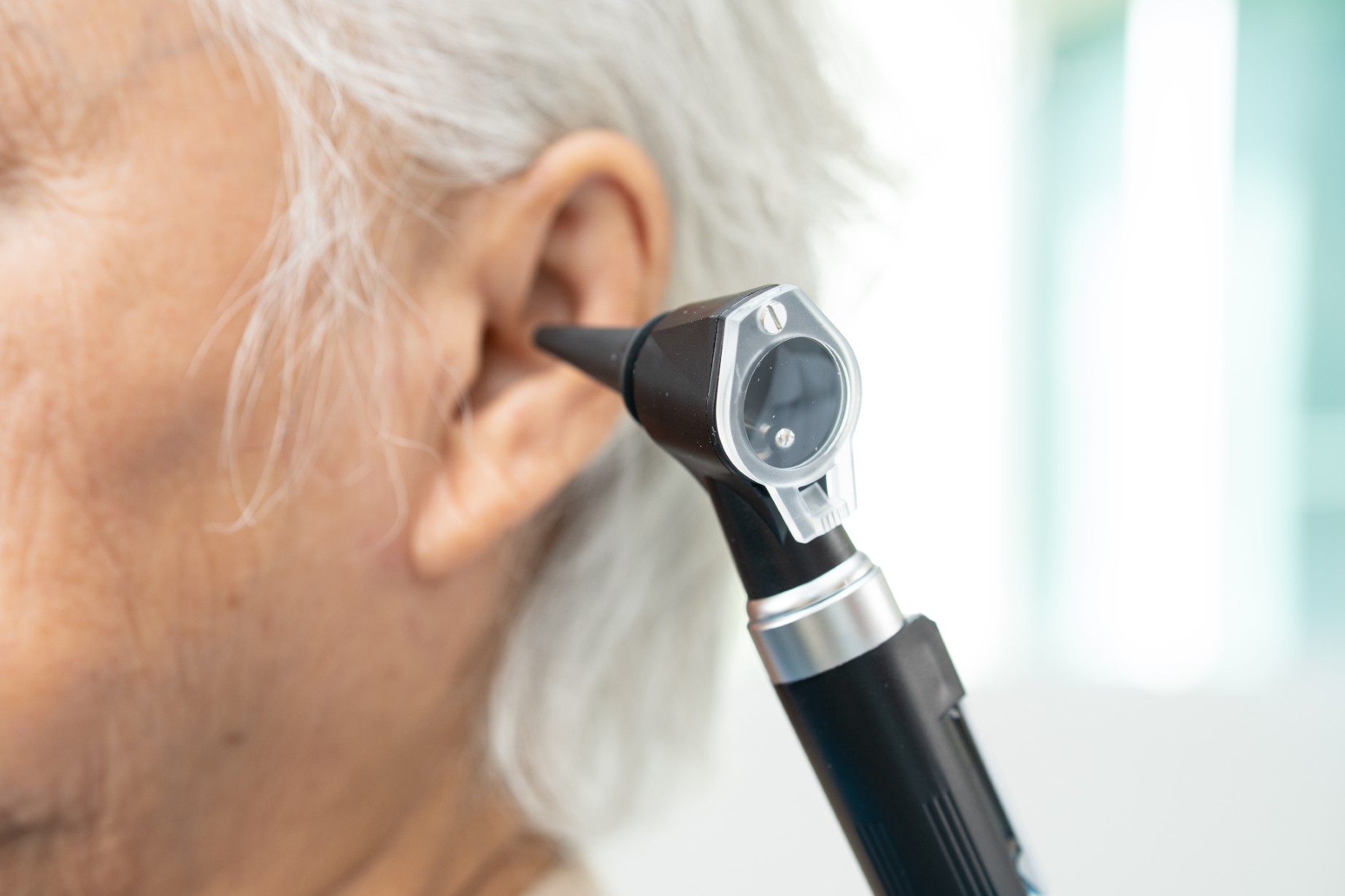
The hearing test itself is usually straightforward and non-invasive, with no obligation to purchase anything on the day. Here are three ways to make the experience easier for both of you.
- Go with them: Being present provides emotional support and helps you both retain what the audiologist shares about the hearing solutions available, such as hearing aids.
- Prepare questions in advance: Elderly parents often feel more at ease when they arrive with a clear list of what they’d like to ask.
- Remind them it’s low-pressure: Seniors who know there’s no obligation to purchase anything on the day tend to engage with the results more openly.
Take the First Step Together with The Listening Lab
The conversation doesn’t have to go perfectly the first time. What matters is that you’ve started it and that your parent knows you’re with them through the process.
Reaching out to The Listening Lab ahead of the appointment can help you understand exactly what a first hearing test in Malaysia involves. That way, you can walk your parent through it in advance and ease their anxieties about what the visit might reveal.
Our hearing centre is designed for first-time visitors who may feel apprehensive. Consultations are unhurried, and our audiologists explain results in plain language without pressure. Getting tested is simply about getting a clear picture of where your parent’s hearing stands today.
Book an appointment with The Listening Lab and take that first step together towards clearer, more connected conversations today.